
Teams don’t rise or fall on talent alone
Most team models focus on individuals—skills, styles, personalities—and then try to build a “team view” from there. The problem? That’s not how teams actually work.
Teams succeed or fail based on shared behaviours:
How openly people speak up
How conflict is handled
How decisions get made
How accountability shows up (or doesn’t)
They perform together.
The Six Practices of high-performing teams
At the heart of Shivoo is a simple idea: High-performing teams don’t just think differently - they behave differently. These behaviours show up consistently, and they can be grouped into six core practices. Get these right, and performance follows. Miss them, and even great teams struggle.Discomfort
The ability to have the conversations that matter - even when they’re uncomfortable. Great teams don’t avoid tension. They use it productively.Why it matters:
Truth-telling
Healthy conflict
Innovation & accountability

Social Risk
The willingness to speak up, challenge, and be open - without fear of negative consequences. This is what allows ideas, concerns, and dissent to surface - before they become problems.Why it matters:
Idea exploration
Productive dissent
Faster adaptation

Accountability
Setting clear expectations - and holding each other to them. Not just “being nice” - but being clear, direct, and responsible for outcomes.Why it matters:
Cohesion & commitment
Clarity & trust
Performance improvement

Interpersonal
The strength of the relationships within the team. How well do we understand each other, adapt to each other, and work with each other - not around each other?Why it matters:
Better collaboration
Reduced friction
Stronger team dynamics

Course Correct
The ability to notice what’s not working - and adjust, in real time. High-performing teams don’t wait for quarterly reviews. They sense issues early and act quickly. It’s not just reflection. It’s real-time adaptation.Why it matters:
Iterative adjustment
Team agility
Sustained effectiveness

Sensemaking
The ability to continually update how the team understands what’s going on. In a changing environment, yesterday’s assumptions don’t hold for long.High performing teams:This is what keeps teams aligned, relevant, and effective.
Stay open to new information
Challenge their own thinking
Build shared understanding as they go
Why it matters:
Update understanding
Challenge biases
New shared insights

These six practices work together.
They are not a checklist.
They are a system.
And when teams deliberately build them, something shiftsMore aligned
More adaptable
More effective
Why this model is different
What Makes This Model Different
It looks at the team, not just individuals
Most tools measure people and assume that adds up to a team. It doesn’t. This model focuses directly on shared behaviour - how the team operates as a system.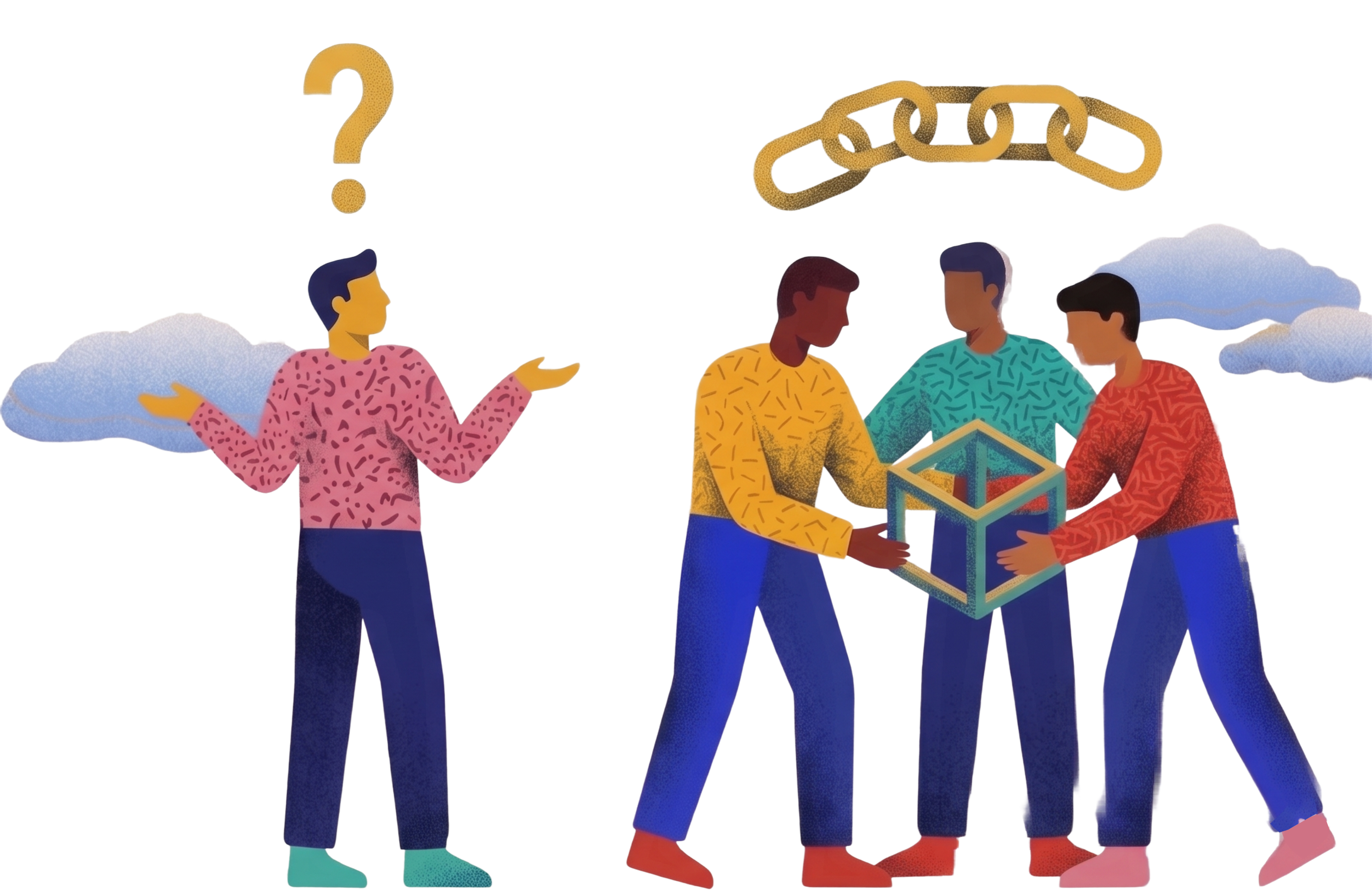
It’s Built for Real Conversations
This isn’t a model you review in a report. It’s designed to be explored together, in real time. The value isn’t just the framework - it’s the discussions it creates.
It Connects Insight to Action
Understanding is only useful if it leads somewhere. Each practice points directly to:What your team is doing now
What needs to change
Where to focus next
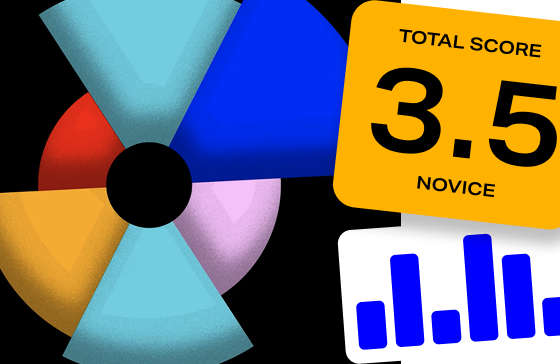
It’s Grounded in Research, Built for Reality
The model comes from rigorous research into how teams perform under pressure and complexity. But it’s been translated into something practical - something teams can actually use.
Ready to see
how it really
works?
Frequently asked questions
Getting Started
+
Can we run Shivoo by ourselves?
+
Yes — and that’s one of the big advantages.
You can run Shivoo:
- With your team, in your regular meeting
- Without a facilitator
- Or with a coach if you want deeper support
It’s designed to work either way.
Do I need to be accredited to run Shivoo?
+
No.
Shivoo is designed to be easy to use straight away.
You can:
- Jump in and run your first squiz immediately
- Or review guides and support if you prefer
Most teams are up and running within minutes.
How long does a Shivoo session take?
+
Most squizzes take 30 – 60 minutes.
Short enough to fit into a regular team meeting — long enough to generate meaningful insight and discussion.
Do we need to prepare anything in advance?
+
No.
There’s no pre - work, no surveys, and no setup burden
Just bring your team — and start.
Using Shivoo
+
What is a "Squiz"?
+
A “squiz” is what at we call each time you run Shivoo with your team.
It’s simply:
- A structured moment to “have a look” at how your team is working.
Yes, it’s an Australian term. And yes, you can add “mate” if you like.
What makes Shivoo different from other team tools?
+
Most tools:
- Survey individuals
- Deliver reports later
Shivoo:
- Works in real time
- Focuses on the team (not individuals)
- Combines measurement, conversation, and development
It doesn’t just measure your team — it helps you improve it.
What happens if our team disagrees on answers?
+
That’s where the value is.
Disagreement:
- Surfaces different perspectives
- Triggers important conversations
- Helps build alignment
Shivoo is designed to use disagreement — not avoid it.
What kind of teams is Shivoo for?
+
Shivoo works for any team that works together regularly.
Including:
- Leadership teams
- Functional teams
- Project teams
If you collaborate, Shivoo applies.
How often should we run Shivoo?
+
Most teams run a squiz every 6 – 12 weeks.
That gives enough time to:
- Act on insights
- Build new habits
- See measurable progress
Pricing & Scaling
+
How does pricing work?
+
Shivoo is a simple annual subscription.
While your subscription is active, you can:
- Run as many Squizzes as you like.
- Access your results anytime
- Track progress over time
- Compare against our global database
- Use our tips, tools, and development guidance
No limits. No per-use charges. Just ongoing access.
We have multiple teams in our organization, can we link them together?
+
Yes — Shivoo scales across teams.
With Enterprise Shivoo, you can:
- Manage multiple teams in one place
- Compare performance across your organisation
- Access organisation - level insights
You can start with as few as two teams and grow from there.
Data & Credibility
+
What data do you capture and hold?
+
We measure the team — not individuals.
That means:
- We store team - level answers and result
- We do not track individual responses
- We do not store personal or identifiable participant data
We use your team’s data to:
- Show your results
- Enable comparisons with other teams
- We do not store personal or identifiable participant data
Your team gets insight — without individual exposure.
Is this a credible tool? Does it have a robust basis?
+
Yes — Shivoo is built on rigorous research and real - world application.
It draws on:
- 40+ years of field experience
- 10+ years of academic research
- A PhD in complex team dynamics
It is informed by leading thinkers in complexity and performance, including:
- Stacey
- Snowden (Cynefin)
- Arrow
- Ericsson
In short: it’s academically grounded, but built to be practical.
If I cancel my subscription, do I lose access to my data?
+
Yes — once your subscription ends, you lose access to your team’s results.
Your de-identified data remains part of the overall dataset (for benchmarking), but:
- It is no longer accessible to you
- It cannot be recovered later
This approach protects privacy and keeps the system clean.